

 United Kingdom
  China
China Hong Kong SAR
 India
India Indonesia
 Japan
Japan Middle East
 Singapore
 Taiwan
 Thailand
 Turkey
Should you buy or rent furniture for a UK investment property? A landlord’s decision guide

For Malaysia-based landlords and investors with UK property, buying vs. renting furniture remains a pertinent question. Both options serve distinct purposes, and making the wrong choice could result in costly and challenging coordination issues when managing from overseas.
Let’s understand both sides of the argument so you can make the right decision for your investment before committing.
What is the real difference between buying and renting furniture?
Buying means you own the furniture outright. It is a one-time investment that adds a permanent, tangible asset to your property. While renting means a monthly payment for furniture that is owned by a third party, it is a recurring operating cost, but there is no asset accumulation. For a UK investment property, that distinction is with investment decisions rather than furniture choice.
How will the property actually be used?
The answer to this question depends on your property’s purpose and how long it needs to perform.
For long-term investment durability and presentation, driving consistent tenant demand, the furniture needs to perform through multiple tenancies, have a strong photographic presence for listings, and meet tenant expectations. Buying furniture in this scenario is a viable option.
When preparing the property for resale, presentation remains important, but the objective changes. Here, furniture’s role is to create a sense of quality and space that supports the asking price. In this context, the question is whether you want to invest in pieces that add lasting value or cover a short window before sale.
For short-let or temporary-use properties, furniture needs to be flexible, which a quality furniture package can bring.
When does buying furniture make more sense?
Buying is the stronger option for overseas landlords furnishing UK properties for long-term rentals who are aiming for consistent tenant demand. The upfront cost may be higher but not recurring. It provides complete control over the quality, style, and presentation of the property. In London’s competitive rental market, high-quality, move-in-ready furnished homes can attract rental prices 15–20% higher than unfurnished properties.
Once the property is set up, overseas landlords need not worry about recurring charges, renewal decisions, or changing terms mid-tenancy.
When could renting furniture still be useful?
Short-term rentals and temporary residences are areas where renting furniture can be considered, where flexibility is required. Rentals also work as an immediate, practical furnishing solution during short-term needs such as a renovation or property sale.
What should you consider beyond just cost?
Why buying often works better for overseas landlords specifically
Managing a UK property from Malaysia comes with an inherent coordination challenge. Buying furniture and using a single furnishing service that handles design, delivery, and installation makes it easier to manage.
There are no renewal cycles, no monthly furniture invoices to reconcile, and no risk of disruption if a rental provider changes its terms. For landlords who want their UK property to run with minimal intervention from overseas, that stability has real value.
A property furnished with quality, well-chosen pieces will consistently attract and retain better tenants than one relying on a standard rental package. Over time, that difference compounds in the form of rental rates, tenancy duration, and reduced void days between tenancies.
Which option is usually the right one?
Buying is a more practical and commercially sound choice for Malaysian landlords and investors preparing for a long-term investment. While renting can be a sound option for temporary stays and transitional situations.
Benhams works with InStyle Direct, our furnishing partner, who provides end-to-end furnishing solutions for your UK property. They provide furnishings for outright purchase, so buyers own the furniture from day one.



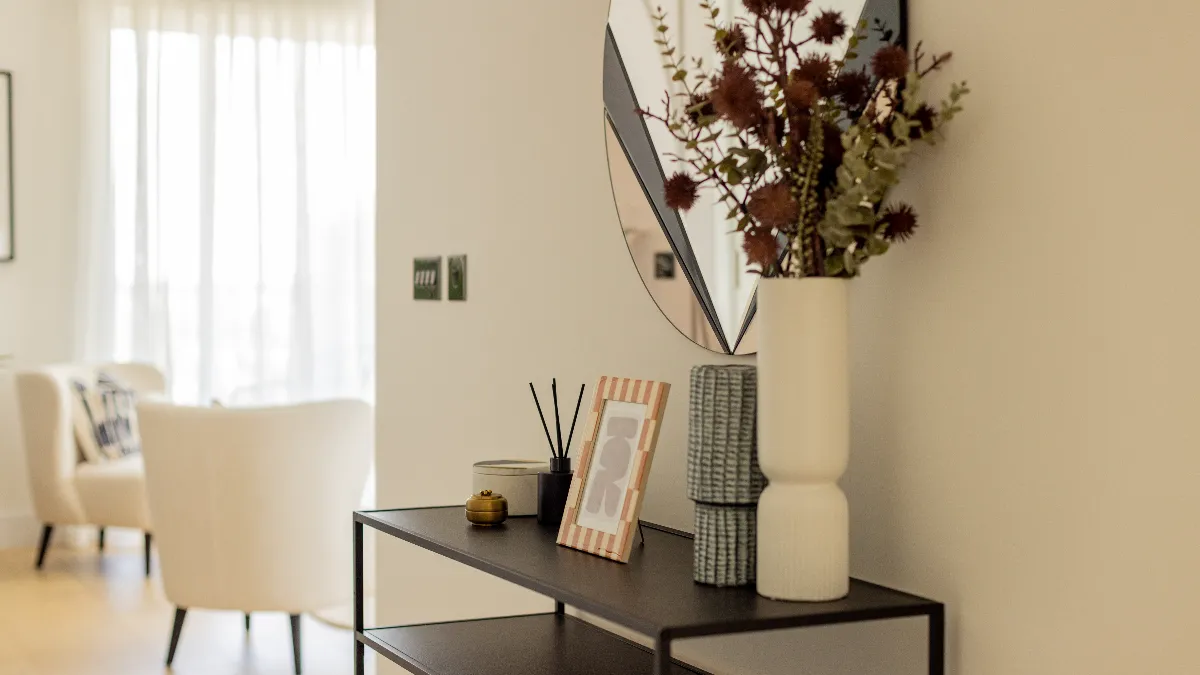


Our local Malaysian team coordinates the entire process for you, ensuring your UK property is ready to perform without you leaving Malaysia.

Michelle Lai
Michelle leads business development at Benham & Reeves Malaysia, supporting homeowners and investors seeking diversification and wealth growth. With strong overseas market expertise, she offers end-to-end guidance from acquisition to property management. Her international real estate experience helps clients make informed, strategic decisions aligned with their needs and long-term investment goals.View all posts by Michelle Lai
Latest news

What should Malaysians consider if they are looking to buy a London property now? Is rental yield or capital growth better?
When considering buying a property in London, the question as an investor or homeowner is: what do you...

Home searches hit a one-year high as UK house price growth slows
For Malaysian buyers and investors keeping an eye on the UK property market, August brought an interesting shift....

Missed the September rental rush? What Malaysian landlords can do to attract UK tenants faster
If you own a UK rental property and missed the peak September period, you may be wondering whether...

London property investment guide
Download our free guide to real estate investment in London. A comprehensive guide designed to facilitate your real estate purchase and get the best return on investment.