

 United Kingdom
  China
China Hong Kong SAR
 India
India Indonesia
 Japan
Japan Middle East
 Singapore
 Taiwan
 Thailand
 Turkey
Freehold vs leasehold – Does it affect selling your London property?
When you’re selling a property in London, its ownership structure plays a massive role in how buyers judge the place, what sort of offers they make, and how hassle-free the deal actually is. It really comes down to one simple question: Do you own the building and the land it sits on outright, or do you have the right to live there for a set number of years?
As a seller, wrapping your head around freehold versus leasehold before putting your home on the market means you won’t be caught off guard by buyers’ questions, helping you dodge costly delays along the way.
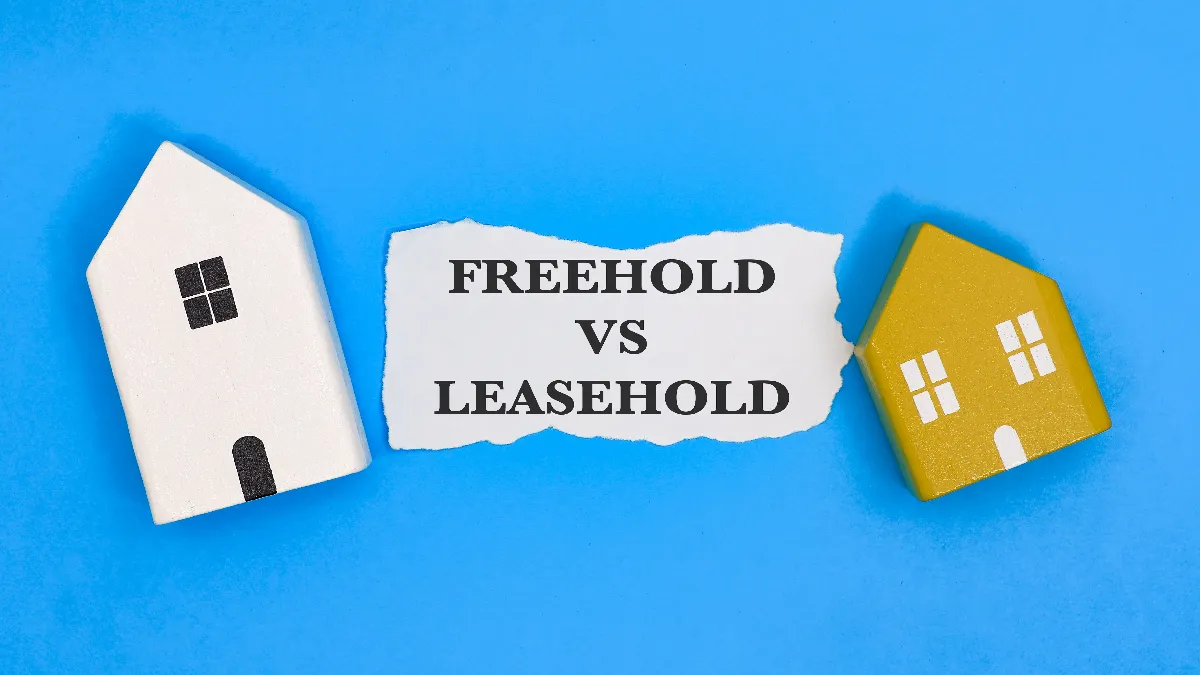
Freehold vs Leasehold: Know the difference
When you own a freehold, the building and the land beneath it are entirely yours for good. That full control comes with full responsibility; fixing the roof, maintaining the structure, and paying for every bit of upkeep that falls directly on you.
With a leasehold, you are essentially buying the right to occupy the property for a set number of years. Standard across London apartments, the underlying land and building stay with the freeholder. In return, you pay regular service charges and ground rent while following the specific rules written in your lease.
Does leasehold affect property value and buyer demand?
Being leasehold doesn’t instantly lower your home’s worth. Factors like location, condition, size, transport connections, and local demand will usually have a significant influence on your London property valuation alongside the terms of the lease.
Still, potential buyers will scrutinise lease specifics and monthly outgoings. Steep service charges, vague management setups, limiting clauses, or pricey upcoming building repairs can definitely put people off. These red flags often lower your potential buyer pool or give them firm grounds to negotiate a lower price.
Why does lease length matter when you sell?
Lease length and property value are relatively connected, particularly as the remaining term becomes shorter.
A long lease period can give buyers greater confidence. Once the lease approaches a shorter number of years, however, buyers and lenders may pay closer attention to the cost and complexity of extending it.
This does not mean a short-term lease property cannot be sold. It simply needs to be priced and marketed with the lease position clearly understood.
Freehold vs Leasehold: Comparison for London sellers
| Selling factor | Freehold property | Leasehold property |
|---|---|---|
| Ownership | Building and land owned indefinitely | Right to occupy for the remaining lease term |
| Ongoing costs | Owner manages maintenance directly | Service charges, ground rent, and admin fees |
| Buyer questions | Condition, title, and maintenance | Lease length, charges, restrictions, and planned works |
| Sale admin | Standard legal conveyancing | Requires management packs (LPE1) and third-party replies |
| Potential value impact | Local and physical condition | Lease length, fees structure, and management quality |
Is a Freehold easier to sell?
Generally, yes. Freehold properties usually don’t involve third-party management packs (LPE1 forms) or lease restrictions, which can help speed up the conveyancing process. That said, being freehold doesn’t automatically mean a sale will be straightforward. Three factors tend to have the biggest impact:
Management Quality: A well-managed leasehold, with all the necessary paperwork ready beforehand, can move just as quickly as a freehold.
Lease Length: A longer lease, ideally with 125+ years left, can help prevent delays when dealing with lenders.
Location & Demand: Popular London flats can sometimes sell faster than freehold houses, even with the extra paperwork involved.
Ultimately, it’s having the property and paperwork ready to go that matters more than whether it’s freehold or leasehold.
FAQs
Does a leasehold property take longer to sell?
Very often, yes! Gathering management packs, sorting through ground rent records, and waiting on landlord replies add extra legal steps. However, requesting these documents before listing helps avoid frustrating delays.
Can I sell a flat with less than 80 years on the lease?
Well, yes, you can! You can still sell, but a shorter lease shrinks your buyer pool because banks hesitate to lend. To secure a deal, you’ll need to price it right or target cash buyers.
Do service charges put buyers off?
Only if they feel or are unpredictable, high fees won’t automatically scare buyers away if they can see clear evidence of excellent building maintenance and good management.
Should I extend my lease before selling?
It depends totally on your situation. If the remaining term is below 80 years, extending usually adds substantial value and attracts mortgage buyers. However, the upfront cost and time involved mean it’s best to weigh up your options with an expert first.

Benham and Reeves
Established in 1958, Benham and Reeves is one of London’s oldest, independently owned property lettings and sales agents. With specialism in residential sales, corporate lettings and property management in prime areas of London, the company operates from 21 prominently located branches and 11 international offices.View all posts by Benham and Reeves
Latest news
What should Malaysians consider if they are looking to buy a London property now? Is rental yield or capital growth better?
When considering buying a property in London, the question as an investor or homeowner is: what do you...

Home searches hit a one-year high as UK house price growth slows
For Malaysian buyers and investors keeping an eye on the UK property market, August brought an interesting shift....

Missed the September rental rush? What Malaysian landlords can do to attract UK tenants faster
If you own a UK rental property and missed the peak September period, you may be wondering whether...

London property investment guide
Download our free guide to real estate investment in London. A comprehensive guide designed to facilitate your real estate purchase and get the best return on investment.